Regular maintenance of painted walls is crucial not only for aesthetic purposes but also to ensure the durability of your home or building’s surfaces. Repainting schedules depend on factors such as the type of paint, environmental exposure, and the function of the space. Here’s a guide to help you determine when it’s time to repaint your interior and exterior walls.
Interior Walls
- These areas are typically low-traffic zones in most homes. If high-quality paints are used, they might only need repainting every 5-7 years. However, if bold or trendy colors were chosen initially, you may choose to refresh them more often for style updates.
- Adult bedrooms can go as long as 5-8 years without requiring a new coat if properly maintained. Children’s bedrooms, however, may need repainting every 2-3 years due to wall scuffs, fingerprints, or changing preferences as they grow older.
- These areas experience higher humidity levels (in bathrooms) and more exposure to grease or stains (in kitchens). It is recommended to repaint these rooms every 3-4 years using moisture-resistant paint or semi-gloss finishes.
- Being high-traffic zones prone to scratches and general wear-and-tear, hallways may need touch-ups or full repaints every 2-3 years. Using durable paint with washable surfaces can extend this timeline slightly.
Exterior Walls
Exterior walls face different challenges than interiors due to constant exposure to weather elements like sunlight, rain, snow, and fluctuating temperatures.
Factors that impact how often you should repaint exteriors include:
1. Type of Paint Used: High-quality acrylic paints last longer (7–10 years) compared to cheaper options. 2. Climate Conditions: Homes in areas with harsh sunlight may require painting every 5–7 years due to UV damage. Coastal properties subjected to salty air might need touch-ups even sooner. 3. Material:
– Wood siding: Requires painting approximately every 3–7 years unless it is stained instead of painted. – Stucco: Typically needs refreshing every 5–6 years depending on cracks or fading. – Brick: If painted rather than left natural, expect a lifespan of about 15–20 years before another coat might be necessary.
Signs It’s Time To Repaint
- Peeling or cracking paint
- Noticeable fading due to prolonged sun exposure
- Stains that cannot be removed through regular cleaning
- Mold growth in bathrooms or on damp exterior surfaces
- Chipped corners caused by accidental damage
Prolonging the Life of Your Paint Job
- Use high-quality primer before applying paint for better adhesion.
- Opt for washable finishes in high-touch areas like kitchens and hallways.
- Regularly clean painted surfaces using mild soaps appropriate for the finish type.
- Conduct annual inspections of exterior walls for cracks or mold growth so repairs can be made promptly before they worsen.
| Room/Area | Recommended Repaint Interval | Notes |
| Living Room | Every 5–7 Years | Consider trends if updating decor |
| Kitchen | Every 3–4 Years | Use semi-gloss/moisture-resistant paint |
| Bathroom | Every 3–4 Years | Watch for mold growth |
| Exterior (Wood) | Every 3–7 Years | Weatherproofing essential |
| Exterior (Stucco) | Every 5–6 Years | Repair cracks promptly |
Keeping up with repainting schedules not only enhances aesthetics but also protects your property from long-term damage caused by neglect over time.
Expert Painters Perrysburg OH: Eco-Friendly Solutions for Modern Spaces
Sustainability is no longer just a trend; it’s a necessity in modern design. With the growing awareness of environmental impact, eco-friendly paint solutions have become an essential choice for homeowners, businesses, and designers aiming to reduce their carbon footprint while creating beautiful spaces. Here’s how sustainable design with paint can shape modern spaces.
What to Look for in a Painting Company Perrysburg OH
- Low or Zero VOC (Volatile Organic Compounds): VOCs are chemicals that evaporate into the air, contributing to air pollution and potential health risks. Eco-friendly paints contain low or no VOCs.
- Natural Ingredients: Many sustainable paints use ingredients such as plant oils, clay, lime, or casein instead of synthetic chemicals.
- Recyclable Packaging: Environmentally conscious brands often package their products in recyclable or biodegradable materials.
- Non-Toxic Formulas: These paints avoid heavy metals like lead or mercury, ensuring safer use indoors and outdoors.
Eco-Friendly Interior & Exterior Painting Perrysburg OH Solutions
- Reduced chemical emissions improve indoor air quality.
- Safer for individuals with allergies or respiratory issues.
- Fewer toxins released into the atmosphere during manufacturing and application.
- Decreased landfill waste through biodegradable packaging.
- High-quality eco-paints often provide excellent coverage and longevity comparable to traditional options.
- Using eco-friendly materials can help buildings achieve certifications like LEED (Leadership in Energy and Environmental Design).
Types of Eco-Friendly Paints
| Type | Key Features | Best For |
| Low/Zero VOC Paint | Minimal odor; safer indoor air | Homes, offices, schools |
| Milk Paint | Natural ingredients; matte finish | Furniture, rustic interiors |
| Clay-Based Paint | Non-toxic; breathable wall surfaces | Heritage buildings, bedrooms |
| Recycled Paint | Made from unused/residual paint | Budget-conscious renovations |
Tips for Incorporating Sustainable Design with Paint
- Prioritize Proper Disposal: Ensure leftover paint is recycled or donated responsibly rather than discarded in landfills.
- Focus on Longevity: Select high-quality paints that require fewer touch-ups over time to reduce waste.
- Use Light Colors Strategically: Lighter shades reflect more sunlight, reducing reliance on artificial lighting and lowering energy consumption.
- Work with Certified Professionals: Look for painters experienced in sustainable practices who understand non-toxic application techniques.
Choosing the Right Brand
- Benjamin Moore (Natura Collection)
- Sherwin-Williams (Harmony Zero VOC)
- ECOS Paints
- Clare
Sustainable design with paint is no longer a niche concept but a cornerstone of responsible living and working environments. By consciously choosing environmentally friendly options and implementing thoughtful practices during your next project, you can contribute meaningfully toward preserving our planet while crafting stunning spaces tailored to modern needs.

Brand Identity Through Paint: Creating a Cohesive Look for Your Commercial Space
Establishing a strong and cohesive brand identity is essential for any commercial space. One of the most impactful yet often overlooked tools to achieve this is paint. The colors and finishes you choose can significantly influence how your brand is perceived by customers, employees, and stakeholders. Below, we explore strategies and considerations to help you create a cohesive look using paint in your commercial space.
The Role of Color in Branding
- Emotional associations: Colors evoke certain emotions—for example:
- Blue conveys trust and professionalism.
- Red symbolizes energy and passion.
- Green represents growth and sustainability.
- Brand recognition: Consistent use of your brand’s primary colors strengthens recognition across all physical spaces.
- Cultural significance: Consider cultural perceptions of color, especially if your business operates globally.
Strategies for Creating Cohesion
- Standardize Your Color Palette
Select a few core colors that align with your brand’s identity. Implement these throughout the commercial space for consistency. Complementary shades can be used sparingly as accents to maintain visual interest without overwhelming visitors. - Incorporate Logo Colors
Use the exact shades from your logo throughout the space—on walls, trims, or even furniture—to reinforce brand association. - Utilize Zone-Specific Color Pairings
Different areas of the building can serve distinct purposes (e.g., meeting rooms versus recreational areas). Adjust tones or intensities within the same palette to reflect functionality: - Meeting rooms: Neutral tones with subtle accents to encourage focus.
- Lounges or break areas: Softer pastels to foster relaxation.
- Leverage Paint Finishes for Texture Mixing matte with gloss or satin finishes adds layers of depth while maintaining cohesion across spaces.
Examples of Brand-Driven Commercial Spaces
| Industry | Common Color Choices | Purpose/Effect |
| Technology | Blue, Gray | Promotes trustworthiness & innovation |
| Retail | Bright Red, Yellow | Conveys energy & grabs customer attention |
| Healthcare | Soft Green, White | Suggests cleanliness & calmness |
| Hospitality | Earth Tones (Brown, Beige) | Evokes warmth & comfort |
Practical Tips Before Painting
- Durability Matters
Opt for high-quality paints that stand up to wear and tear from high foot traffic while retaining their vibrancy over time. - Lighting Considerations Test how paint colors appear under different lighting conditions—natural versus artificial light can change their appearance dramatically.
- Professional Consultation Work with professional painters or designers familiar with commercial spaces; they can ensure proper application techniques and execution.
By using paint strategically as part of your branding efforts, you not only create an aesthetically pleasing environment but also reinforce the values and vision behind your company’s identity at every touchpoint within the physical space.
The Impact of Color Choices on Employee Productivity and Well-Being in Office Spaces
The colors used in office spaces can have a profound effect on employee productivity, mood, and overall well-being. Carefully selecting the right hues for your workspace can foster creativity, reduce stress, and promote focus. Here’s a comprehensive guide to understanding the impact of color choices in office environments.
How Colors Affect Emotions and Behavior
- Blue: Known for its calming properties, blue helps reduce stress and can improve focus. It is ideal for spaces requiring concentration, like meeting rooms or private offices.
- Green: Associated with balance and harmony, green is easy on the eyes during long work hours. It works well for creative brainstorming areas or coworking zones.
- Yellow: Often linked to optimism and energy, yellow stimulates creativity but should be used sparingly to avoid overwhelming employees.
- Red: A high-energy color that increases heart rate and excitement. Red works best as an accent rather than a dominant shade in workplaces.
- Neutral tones (gray, white, beige): These create a clean, modern look but should be paired with accents of brighter colors to prevent feelings of monotony or blandness.
Matching Colors to Work Functions
| Office Area | Suggested Color Palette | Purpose |
| Reception Area | Warm neutrals with bold accent walls | Creates an inviting first impression |
| Conference Rooms | Blues or greens | Encourages calm yet productive discussions |
| Break Rooms | Bright yellows or oranges | Promotes energy and social interaction |
| Workstations | Soft blues or greens | Enhances focus while reducing eye fatigue |
Enhancing Well-Being Through Strategic Design
- Natural Light Integration
Combine your chosen colors with ample natural light to create an open and uplifting atmosphere. Lighter shades tend to reflect sunlight better, making rooms feel more spacious. - Biophilic Design Elements
Pair restful shades like green with natural elements such as indoor plants or wooden furniture to promote relaxation and connection with nature. - Accent Walls for Inspiration
Use bold colors like yellow or orange as accent walls in collaborative zones to stimulate brainstorming sessions. - Avoid Overstimulation
Overuse of bright hues like red or neon shades can lead to overstimulation or anxiety among employees. Maintain balance by incorporating neutral tones as a base color.
The Importance of Employee Input
Engaging employees in the design process ensures that their preferences are considered when creating an optimal work environment. For example: – Conduct surveys to determine favorite color schemes. – Test different palettes before committing fully.
By aligning aesthetics with functionality through thoughtful color choices, businesses can create a space that fosters both productivity and employee satisfaction while reflecting the company’s unique culture effectively.
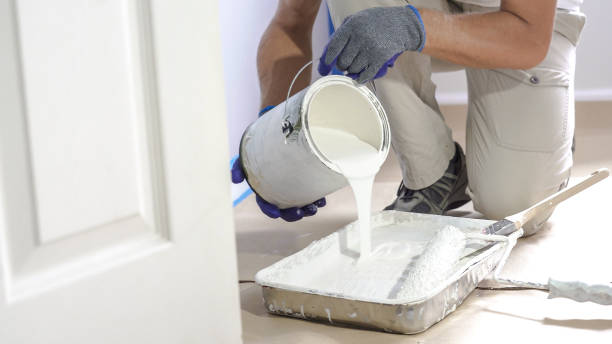
A Quick Guide to Compliance and Safety Standards in Painting Commercial Properties
Painting commercial properties involves more than just aesthetic considerations. It requires adherence to compliance and safety standards to ensure the well-being of workers, tenants, and visitors while meeting legal obligations. Below is a comprehensive guide to understanding these requirements and implementing them effectively.
Importance of Compliance in Commercial Painting
- Legal Obligations: Failure to comply can result in fines, work stoppages, or legal action.
- Health & Safety: Proper safety measures protect workers from exposure to harmful chemicals or accidents.
- Environmental Responsibility: Compliance ensures minimal environmental impact through the use of eco-friendly products or proper disposal methods.
- Reputation Management: Businesses that value safety bolster their credibility with clients and stakeholders.
Key Compliance Considerations
- Use paints that comply with VOC (Volatile Organic Compound) limitations as outlined by local authorities.
- Ensure proper labeling of paint containers as per OSHA Hazard Communication Standards.
- Provide Material Safety Data Sheets (MSDS) for all paint products used on-site.
- Equip workers with appropriate PPE (Personal Protective Equipment), such as gloves, goggles, respirators, and protective clothing.
- Conduct site-specific training programs on the safe handling of hazardous substances.
- Limit worker exposure time when using products with strong fumes or chemicals.
- Arrange for the safe disposal of leftover paint, thinners, and cleaning agents in alignment with local waste regulations.
- Avoid improper drainage into water systems by using designated collection points.
- Verify that fire-resistant coatings are used where required by building codes.
- Maintain clear evacuation routes throughout the painting process.
- Environmental Certification Standards: | Certification Name | Purpose | Example Benefits | |——————–|———|——————| | LEED (Leadership in Energy and Environmental Design) | Encourages eco-friendly material usage | Improved energy performance | | Green Seal Certification | Focused on low-toxicity paints | Healthier indoor air quality for occupants |
Steps to Ensure Safe Practices on Commercial Sites
- Conduct a pre-project hazard assessment to identify potential risks associated with the property or materials being used.
- Develop an emergency response plan inclusive of spill management procedures and first aid guidance.
- Work during non-operational hours to minimize disruptions and reduce potential harm to building occupants.
- Regularly inspect scaffolding setups or other elevated platforms for stability before each use.
Common Industry Standards You Should Know
- OSHA (Occupational Safety and Health Administration): Ensures worker protection through regulations like hazard communication or respiratory protection programs.
- EPA (Environmental Protection Agency): Regulates emission levels from paints containing VOCs while advocating sustainable practices.
- NFPA (National Fire Protection Association): Specifies requirements related to fire-resistant materials on commercial properties.
By integrating these standards into your project workflow, you’ll not only mitigate risks but also demonstrate professionalism in delivering high-quality outcomes within compliant frameworks.
With careful planning, knowledge of regulatory frameworks, and consistent monitoring throughout execution phases, meeting compliance standards becomes an integral part of every successful commercial painting project—ensuring both legal safety requirements are met along with enhanced operational efficiency within spaces painted professionally.
- Finding the Best Painters Perrysburg OH for Interior and Exterior Painting Projects
- Everything New Homeowners Need to Know About Hiring a Painting Company Perrysburg OH
- House Painting Perrysburg OH: Techniques and Tools for Successful Home Projects
- How Often Should You Repaint Interior and Exterior Walls for a Fresh Look in House Painting Perrysburg OH
- 10 Important Factors Painters Perrysburg OH Recommend When Buying House Paint for Your Next Project
- Tips for House Painting Perrysburg OH: Proper Preparation and Maintenance